
Picture this. It is a Tuesday in 2035.
You land in Tokyo. You are jet-lagged, dehydrated, and your flight was two hours late. You haven’t spoken to a human since you boarded the plane. You check your phone.
A calm, synthetic voice says: “I noticed your flight was delayed, so I pushed your dinner reservation back by 45 minutes to give you time to freshen up. I also asked the hotel to set the thermostat to 68 degrees and ordered that club sandwich you like. It will be waiting in the room.”
It feels like magic. It feels like Machines of Loving Grace.
It also feels like something else: the moment where intelligence becomes invisible infrastructure, and human connection becomes a luxury good.
The Country of Geniuses
I have spent the last week digesting two extraordinary essays by Dario Amodei, the CEO of Anthropic (Machines of Loving Grace and The Adolescence of Technology). Unless you are deep in the Silicon Valley weeds, you might not know him, but you should know what he is betting on. He isn’t talking about a chatbot that writes slightly stiff marketing emails. He is describing what he calls a “Country of Geniuses in a datacenter.”
Imagine a digital population of 50 million agents, each smarter than a Nobel Prize winner, capable of working 100 times faster than a human, available 24/7 to solve problems in biology, logistics, and code. Amodei predicts this could lead to a “compressed 21st century,” where 100 years of progress happens in ten.

The Precarious Wager
Now, I know what you’re thinking.
“We are an industry that still relies on mainframes. We can barely get the PMS to talk to the CRM. This sounds like science fiction.”
You are right. It is science fiction – for now. But the speed of this wave is different. Amodei outlines a precarious wager: he believes we can build this God-like intelligence and control it with a “Constitution” written by a private company, regulated by slow-moving governments, and secured by the goodwill of democratic nations.
It is, to put it mildly, quite the bet. It’s like adopting a dragon and assuming it won’t burn the house down because you read it the HOA rules.
But if his wager pays off over the next decade – or even if the dice just land somewhere in the middle – the definition of “guest” is about to change forever.
Travel is the business of being human. We trade in sleep, food, connection, and the tangible reality of a mountain view. If intelligence becomes free and ubiquitous by 2035, much of what we do today will be automated. But what remains – the messy, human stuff – will become infinitely more valuable.
Here are ten ways the landscape shifts over the next decade, and what we must preserve.
1. The “Beige Age” of Efficiency
The Future (2035): If AI becomes millions of times cheaper and smarter than humans, “efficiency” will become a commodity. The frictionless experience will be the baseline.
The Risk: We enter the “Beige Age” of hospitality. Everything is smooth, optimized, and perfectly priced, but it feels like it was designed by a spreadsheet. Soulless perfection is, ironically, very boring.
The Pivot: We must treat “human friction” as a luxury product. When the machine handles the logistics, the inefficiency of a human interaction – a handshake, a conversation, a bartender taking the time to ask about your day – becomes the only thing worth charging a premium for.
2. Hyper-Personalization vs. The Nanny State
The Future (2035): An AI agent optimizes a guest’s trip down to the second, removing all bad choices.
The Risk: This “magic” is a soft form of control. We risk losing the serendipity of travel – the wrong turn that leads to the best bakery. We become passengers in our own vacations, nudged by algorithms optimizing for “satisfaction” scores.
The Pivot: Transparency becomes a feature. We need interfaces that say, “Here is why I chose this for you,” and allow the guest to toggle the settings from “Optimize” to “Explore.” Sometimes, a traveler wants to be lost.
3. The Healthspan Revolution (80 is the new 60)
The Future (2035): Amodei predicts AI could eventually double the human lifespan. Now, biology and the physical world have a speed limit – we won’t see 150-year-old hikers next Tuesday. But by 2035, future “healthspan” will look radically different if we hit longevity escape velocity.
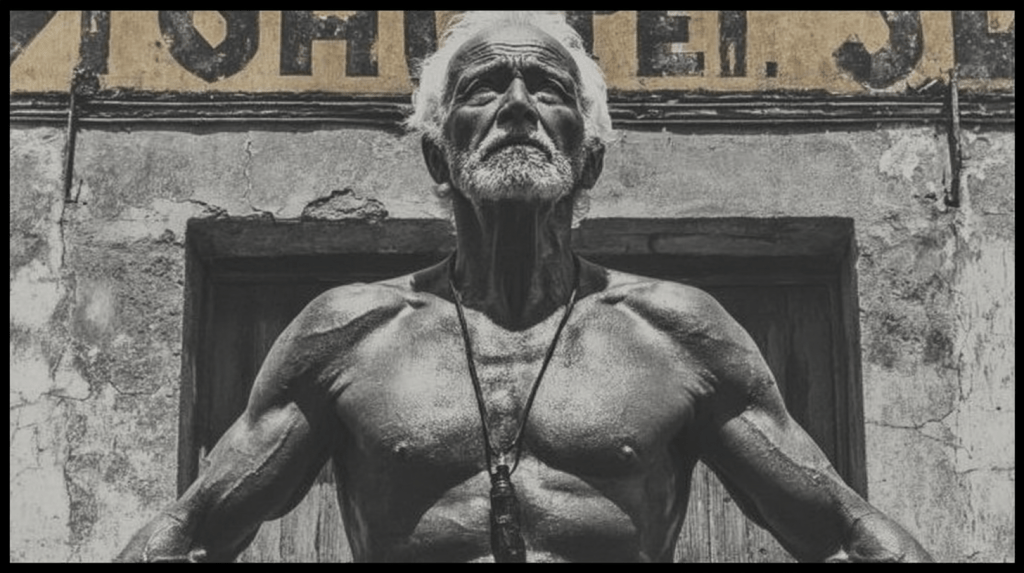
The Risk: Our infrastructure is built for “seniors” (accessible, slow) or “families” (kids). We aren’t ready for the active centenarian.
The Pivot: Redesign the lifecycle. In the future, we may be looking at a wave of octogenarians who are cognitively sharp, physically capable, and seeking adventure, not just a buffet.
4. Privacy as the Ultimate Amenity
The Future (2035): In his risk essay, The Adolescence of Technology, Amodei warns of an AI “panopticon” – surveillance so capable it knows you better than you know yourself.
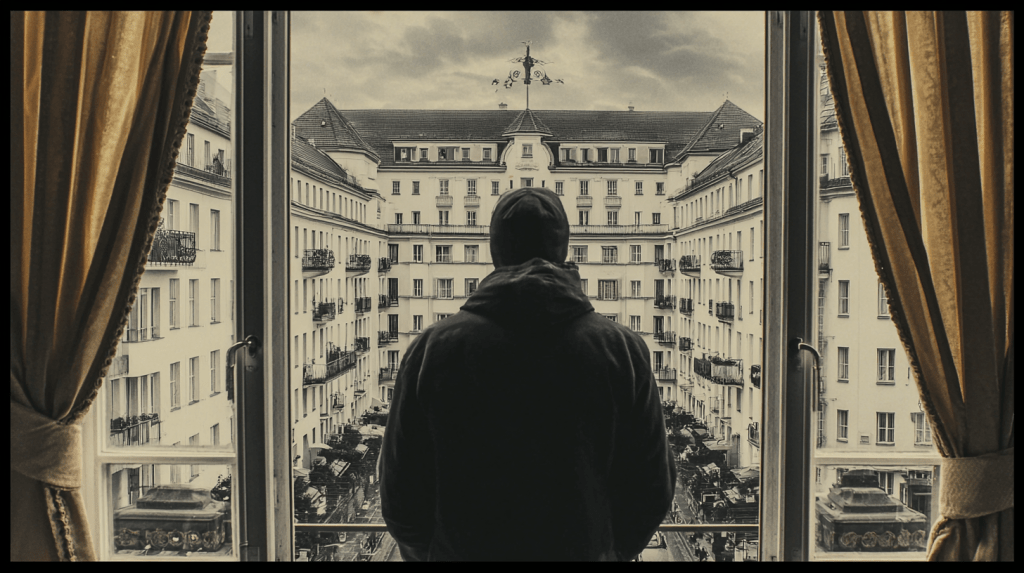
The Risk: Hotels have always been spaces of discretion. But if we use AI to predict every guest’s need before they ask, we cross the line from “service” to “surveillance.”
The Pivot: Privacy becomes a tier-one amenity. A “Data Trust” guarantee – a promise that your room is a black box to the algorithm – will soon be as important as thread count. We serve the guest; we don’t study them.
5. The “Meaning” Economy
The Future (2035): If AI performs the bulk of economic labor, work may dissolve as the primary center of human identity.
The Risk: A world without work can feel unmoored. People will be desperate for purpose.
The Pivot: Leisure stops being an escape from work and becomes the primary stage for meaning. Hotels aren’t just selling beds; we are the architects of the “Meaning Economy.” We facilitate the craft, the learning, and the connection that people will crave when their inbox is empty.
6. Geopolitics Gets Weird
The Future (2035): A “Country of Geniuses” shifts the balance of power. Defensive capabilities improve, but so do cyber-attacks.
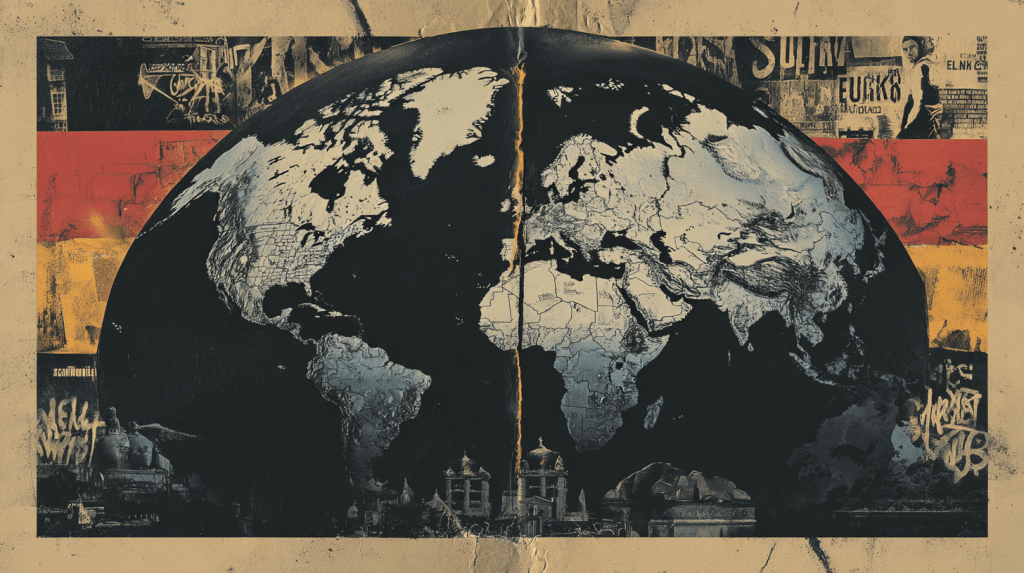
The Risk: The world becomes more brittle. Disruptions – digital or physical – could happen faster than we can react.
The Pivot: Resilience becomes a brand promise. Travelers will flock to brands that feel stable. “Safe” doesn’t just mean a security guard; it means a hotel that has the operational muscle to run offline if the cloud goes dark.
7. The Opt-Out Sanctuary
The Future (2035): The psychological toll of a “compressed century” will be immense. Digital burnout will be the new smoking.

The Risk: Guests will want the convenience of AI, but the peace of analog.
The Pivot: Create “Analog Sanctuaries.” Stop bragging about the speed of your Wi-Fi and start bragging about the thickness of your walls. The ultimate luxury is a room where the notification light never blinks.
8. Marketing to the Machine
The Future (2035): Soon, your guests won’t be searching for hotels on Google. Their AI agents will be negotiating with your AI agents via API.
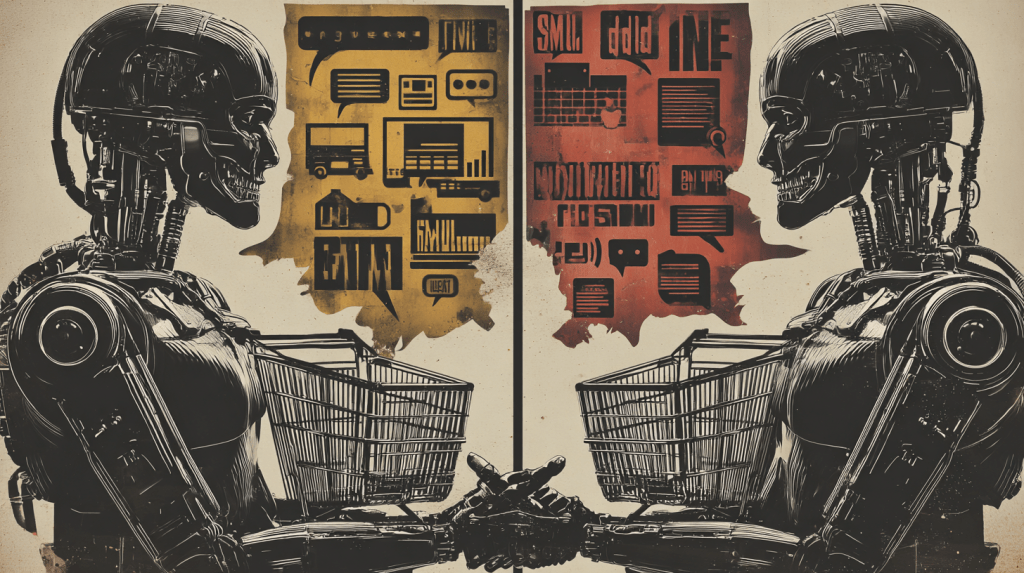
The Risk: Brand personality gets lost in translation. If two bots are haggling over price and amenities in milliseconds, where does the “vibe” fit in?
The Pivot: We have to learn to market to machines and humans. The data must be structured perfectly for the bot (API-first hospitality), but the experience upon arrival must be undeniably human.
9. Bio-Readiness as Infrastructure
The Future (2035): Amodei warns that misused biology is a real risk in this new age. Disruption could be a recurring storyline.

The Risk: The “Post-COVID” mindset of returning to 2019 is a trap.
The Pivot: “Bio-readiness” becomes permanent infrastructure, like fire exits. Advanced air filtration and flexible cancellation policies aren’t temporary fixes; they are the baseline for trust in a volatile world.
10. The Companion Bubble
The Future (2035): Lonely travelers will travel with AI companions – voices in their ears that know them perfectly and never disagree.

The Risk: We risk a future where we travel near people, but not with them. We stay inside our personalized digital bubbles.
The Pivot: Design spaces that force collision. Communal tables, no-phone zones, shared activities. We have to save humans from the extreme comfort of their own preferences.
Hosts or Furniture?
Reading Amodei’s essays left me with a feeling of awe, followed by a distinct chill. The future he paints is plausible, and the steering mechanism – that “precarious wager” on constitutions and goodwill – feels much thinner than I’d like.
But here is the thing about travel: It is the largest voluntary coordination game humans play. We leave our homes, trust strangers, follow rules, and share spaces because we are curious.
Technology has reshaped the how of travel a thousand times – from steam trains to online booking engines – but it has never successfully changed the why.
If the “Country of Geniuses” checks in over the next decade, we have a choice. We can let the AI handle the logistics, cure the diseases, and balance the books. But we cannot let it handle the hospitality.
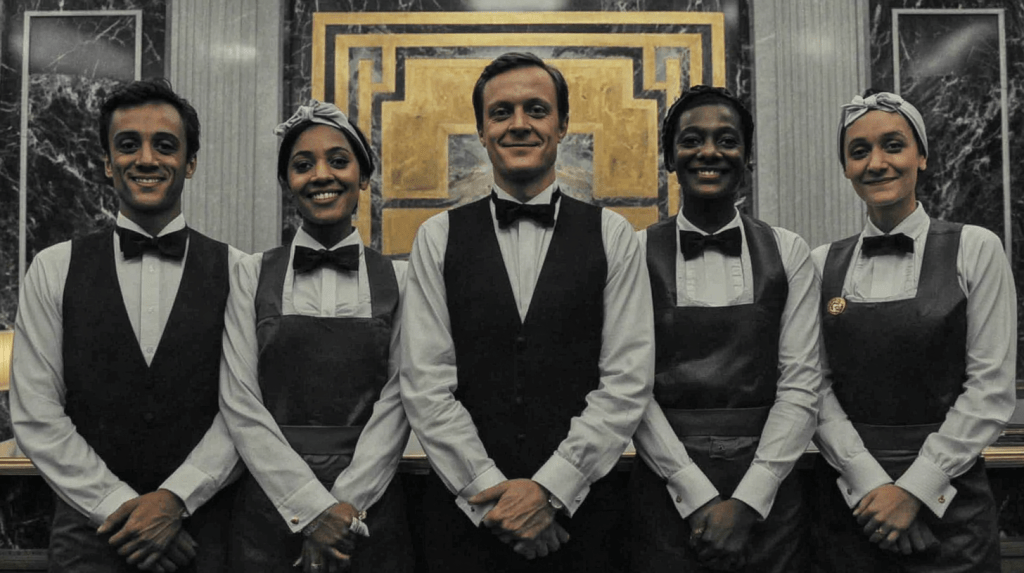
We can become the furniture – passive observers in an optimized world. Or we can be the hosts – the ones who pour the wine, listen to the stories, and remind the guest that no matter how smart the machine gets, some things still require a heartbeat.
I know which one I’m betting on.
Discover more from Hotelemarketer by Jitendra Jain (JJ)
Subscribe to get the latest posts sent to your email.
 Hotelemarketer by Jitendra Jain (JJ)
0 comments on “2035: When Machines Offer Loving Grace, What Do Humans Offer?”